Water Damage Restoration in Rosemount, MN
Rosemount became a city in 1972 with about 1,300 people and reached 25,000 by 2020, which means most of its housing is newer than Eagan's: 1990s and 2000s two-stories and walkouts on the west side near Highway 3, with the old downtown along 145th Street and the Pine Bend refinery, built in 1955, out east toward the Mississippi. The city sits at about 965 feet, and the University of Minnesota's UMore Park covers the former Gopher Ordnance Works ground on its south side.
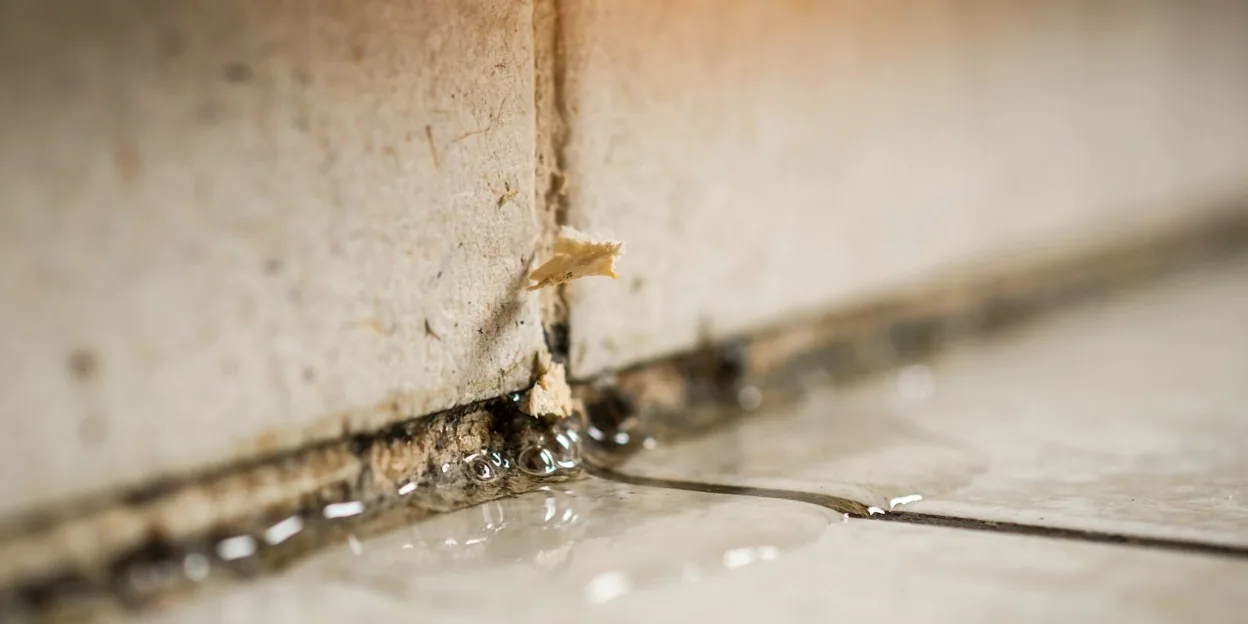
Newer houses mean PEX plumbing and poured foundations, but they also mean basements finished by the builder with drywall straight against the foundation, which hides a wet wall until the baseboard swells.
This site connects Rosemount homeowners with an independent local water damage provider by phone. The provider walks the basement with a meter before the scope is written.
Rosemount water damage in a 2000s walkout
A finished lower level that took water along the walkout wall in April is a basement flooding cleanup. A pump that quit in a summer storm is a sump pump failure cleanup. A lower level that sweats through July with nothing leaking is a meter check, then often a dehumidifier installation.
Rosemount's east side, and who inspects the rebuild
The east side of the city drops toward the Mississippi, and some of the older lots out there are on wells and septic rather than city water, which changes where the shutoff is. Dakota County Technical College on 145th Street trains a good share of the plumbers and electricians who end up working these houses. Rebuild permits go through the City of Rosemount, not Dakota County.
Call (651) 433-7589 and say which level is wet. We put you through to an independent local water damage provider serving Rosemount.
Services Available in Rosemount
Basement Flooding Cleanup
Water pumped out of a finished lower level or walkout basement, then carpet pad, drywall, and framing metered to see what stayed wet.
Sump Pump Failure Cleanup
Cleanup after the pump lost power in a storm or could not keep up with a spring thaw, and drying of the floor and walls the pit overflow reached.
Water Extraction
Standing water pulled off carpet, tile, and concrete on any level of the house, followed by the first moisture readings.
Structural Drying
Air movers and dehumidifiers run by daily readings until subfloor, studs, and drywall reach their dry target in a cold or humid house.
Frozen Pipe Cleanup
Cleanup after a supply line froze in a garage wall, rim joist, or unheated corner and split, then drying of what the thaw soaked.
Roof Leak and Ice Dam Water Damage
Wet attic insulation, ceilings, and exterior walls dried after an ice dam, a hail-torn roof, or a summer storm let water inside.
Washing Machine Overflow Cleanup
A failed hose or drain on the lower level, the laundry room floor, and the family room carpet next to it pumped out and dried.
Dehumidifier Installation
A sized dehumidifier set up for a below-grade level that stays damp through a Minnesota summer or after a drying job wraps up.